The Library is Open
Here’s what I’ve been reading

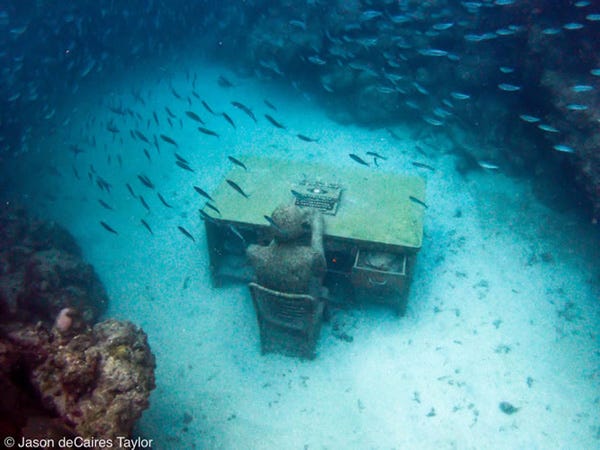
On vacation in Grenada (Caribbean, not Spain) last week, my husband and I snorkeled through an art exhibition. The Molinere Underwater Sculpture Park has dozens of works by the British artist Jason deCaires Taylor. Some of the figures have been taken over by sea life, with brightly colored corals sprouting out of hands and faces as though they’ve transformed into creatures from The Last of Us. A piece called Vicissitudes is a ring of life-size children holding hands, facing outward towards the ocean currents. In Lost Correspondent, a man sits at a desk, hands over a typewriter. That one felt personal.
Floating over these works of art, being pulled along by the current, was uncanny and moving - more sensory, physical, and emotionally engaging than a typical gallery or museum visit. I think climate change would come to mind for anyone swimming through these pieces. But that felt particularly salient to me, as I had just finished reading a pair of novels that feature environmental collapse as the narrative backdrop: What We Can Know and The Ministry of Time.
Fiction has always helped me understand the world and people in it more than the news does. As the author George Saunders put it recently, “Writing and reading is a way of simply underscoring that human connection is important, that you can know my mind and I can know yours, which is a vastly consoling idea, and we need it.”
A couple of months ago, I shared my reading list of the books I’m spending my time with now that I no longer have to plow through upcoming releases for author interviews. As a follow-up to that post, here are the books I’ve read since then:
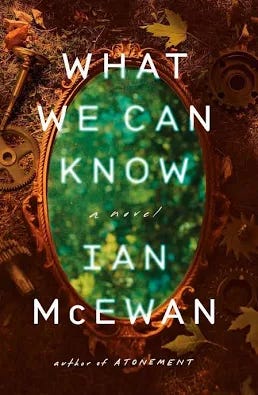
1. What We Can Know, by Ian McEwan
A friend described this to me as a book that is great for people who love Ian McEwan, and also great for people who hate Ian McEwan. I’m not on either end of the spectrum. I’ve read a few of his books, but I’m not a completist. Reading this novel made me appreciate seeing a master of the craft at the full range of abilities. I once told the New York Times that I enjoy novels that feel “effortlessly acrobatic.” What We Can Know absolutely qualifies.
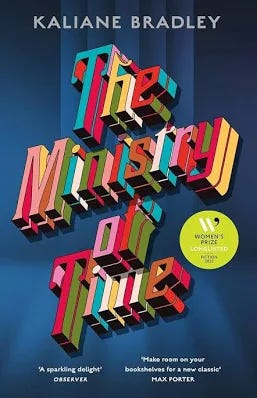
2. The Ministry of Time, by Kaliane Bradley
When I left NPR, I resigned myself to reading e-books, something I had only previously done when I was filming The Mole across Malaysia with Netflix for six weeks in 2023. Knowing that this autumn and winter I would be spending weeks at a time on tour with Pink Martini, I figured I couldn’t afford the luggage space for a pile of books. But as I was passing through the Portland, Oregon, airport on my way back from Pink Martini’s New Year’s Eve show on January 1, I thought I might want to read on the beach in Grenada without getting sand in my iPad. I stopped by the airport kiosk of my favorite independent bookstore, Powells, and grabbed this title in paperback. I started reading it on my flight back to DC and kept going, turning the last page before I’d even landed on the island. It just feels so much better to read a book that you can hold in your hand. And it was satisfying to read a pair of novels that handle climate change in such deft and engaging ways.
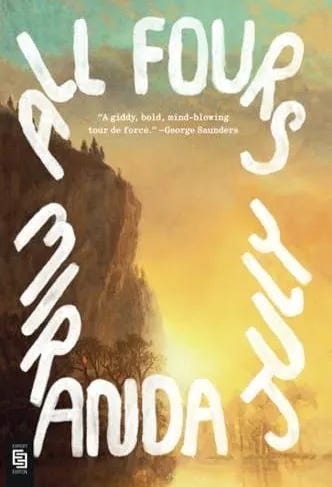
3. All Fours, by Miranda July
I wish I hadn’t seen the headline that described this as “The First Great Perimenopause Novel,” because that line made me think that this book wasn’t for me. When I picked it up from a shelf at our hotel in Grenada and read the first page, I remembered - Oh, right. I love Miranda July’s writing. She is hilarious. Her voice is like no one else. She writes about sex the way John Cameron Mitchell makes movies about sex. All Fours may indeed be the first great perimenopause novel, but it is worth reading whether or not that has anything to do with your life.
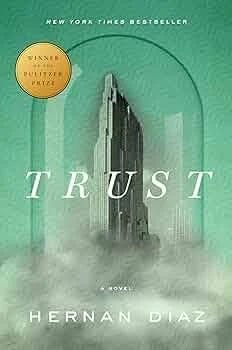
4. Trust, by Hernán Diaz
Again with the effortlessly acrobatic novels. Reading this soon after What We Can Know, the two books seemed to be in dialogue with each other. Both play with form and time in interesting ways; they both use narrative gaps; and both toy with our understanding of characters who get introduced early on but only fully revealed much later in the narrative. They also both happen to be books by male authors featuring formidable women at the heart of the story.
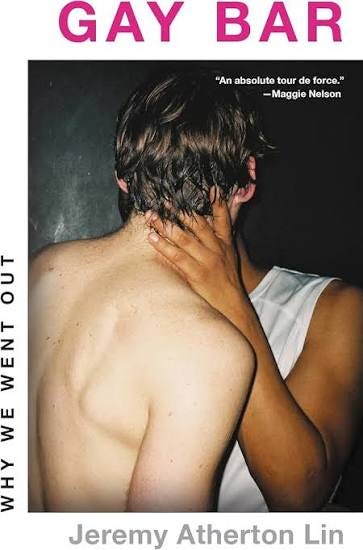
5. Gay Bar: Why We Went Out, by Jeremy Atherton Lin
There is a small Venn diagram overlap between literature and gay smut. Booker prize winner Alan Hollinghurst is probably the best example, with Garth Greenwell coming in close second. Gay Bar is a nonfiction work of cultural criticism rather than a novel, but it brings the same literary eye to scenes of debaucherous exuberance. Jeremy Atherton Lin and I happened to live in London around the same time, so I particularly enjoyed his reflections about the Royal Vauxhall Tavern, G-A-Y, Popstarz, and other queer venues that I haunted during my years in the UK. I don’t think he and I ever met. But in the fog of a dance floor after a couple of vodka Red Bulls, one can never be too sure.
Extra! Extra! Extra!
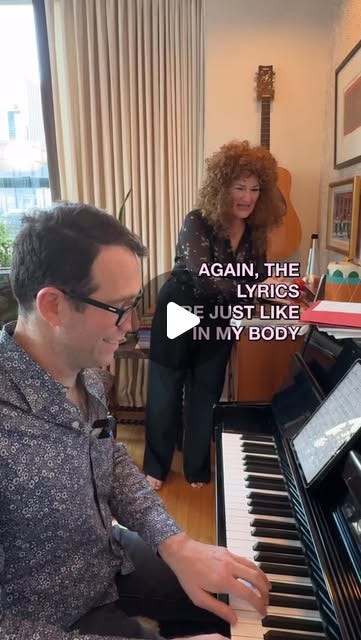
This week the post-script is just one quick recommendation: My favorite instagram account these days is September L. Davis. If you’ve never heard of her, you must have missed her Tony-nominated one woman Sound of Music. Or you might be more familiar with her alter ego, SNL alum Ana Gasteyer. A good place to start is her rendition of “Part of Your World.” I love this woman.
Thanks as always for reading!
Have you read Wild Dark Shore? It made climate change personal in a very intimante way. I also liked Dream State. That one’s more polarizing, but as a former biologist with an up-close view of climate science, I found the future Eric Puchner describes to be eerily plausible.
Having just finished Motherland from your other referral list (yowza, prophetic as history can be sometimes), I appreciate this new list.
And bouncing back to you, the wonderful page turner Book and Dagger - by Elyse Graham about how journalists, teachers, scientists and librarians became undercover spies of WWII - reads like a novel.
I appreciate this list, adding to my bookshop shop list - a B Corp online store that supports local bookstores (and I actually walk through doors too )