Use it or lose it
What I do when the garden gives too much


A friend recently threw a party where the decor included whole heads of supermarket cabbage on the steps leading up to his front door. A few days later I asked him what he’d done with the cabbages, and he told me he had tossed them into a garbage bag and put them in the can at the curb. “But I could have made so much sauerkraut with those cabbages!” would have been a deranged thing to say, so I did not say it. I also did not rattle off the cabbage recipes that Jake Cohen seems to churn out weekly: Marry-Me Cabbage, Cabbage & Farro Salad, Caesar-Roasted Cabbage, Cabbage Parm.
As someone who generally feels a sense of Jewish guilt about various things, I try to avoid the guilt that comes from wasting food. Since I started my own garden in 2020, that goes double when it’s food that I grew. Why bring life into this world only to let it rot? But this is the time of year when my commitment to making the most of garden produce gets tested. (There’s a lot to say about food waste and climate change, global hunger, and more…but that’s not what I’m focused on today.)
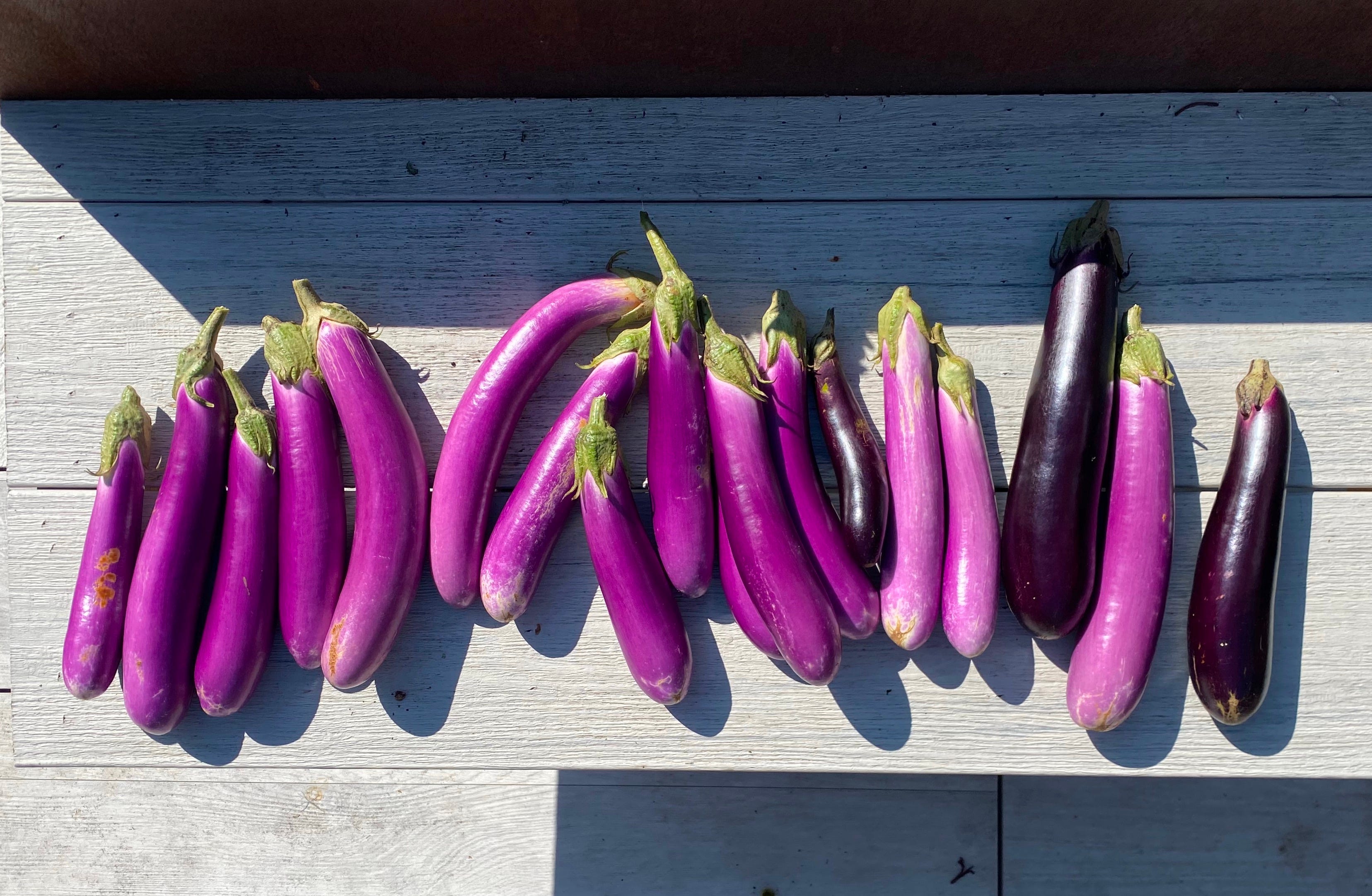
There’s an old joke in Fargo, where I spent the first eight years of my life. People will warn you not to leave your car door unlocked in August, or you might come back to find a bag of zucchini on the driver’s seat. I relate strongly to that right now. Every week I give away bags of produce to friends, neighbors, and the random repair guy showing up to do work at my house. After that, when I still have more than I can eat, here are a few ways I preserve the harvest and save it for the colder months.
1. Blanch(e)

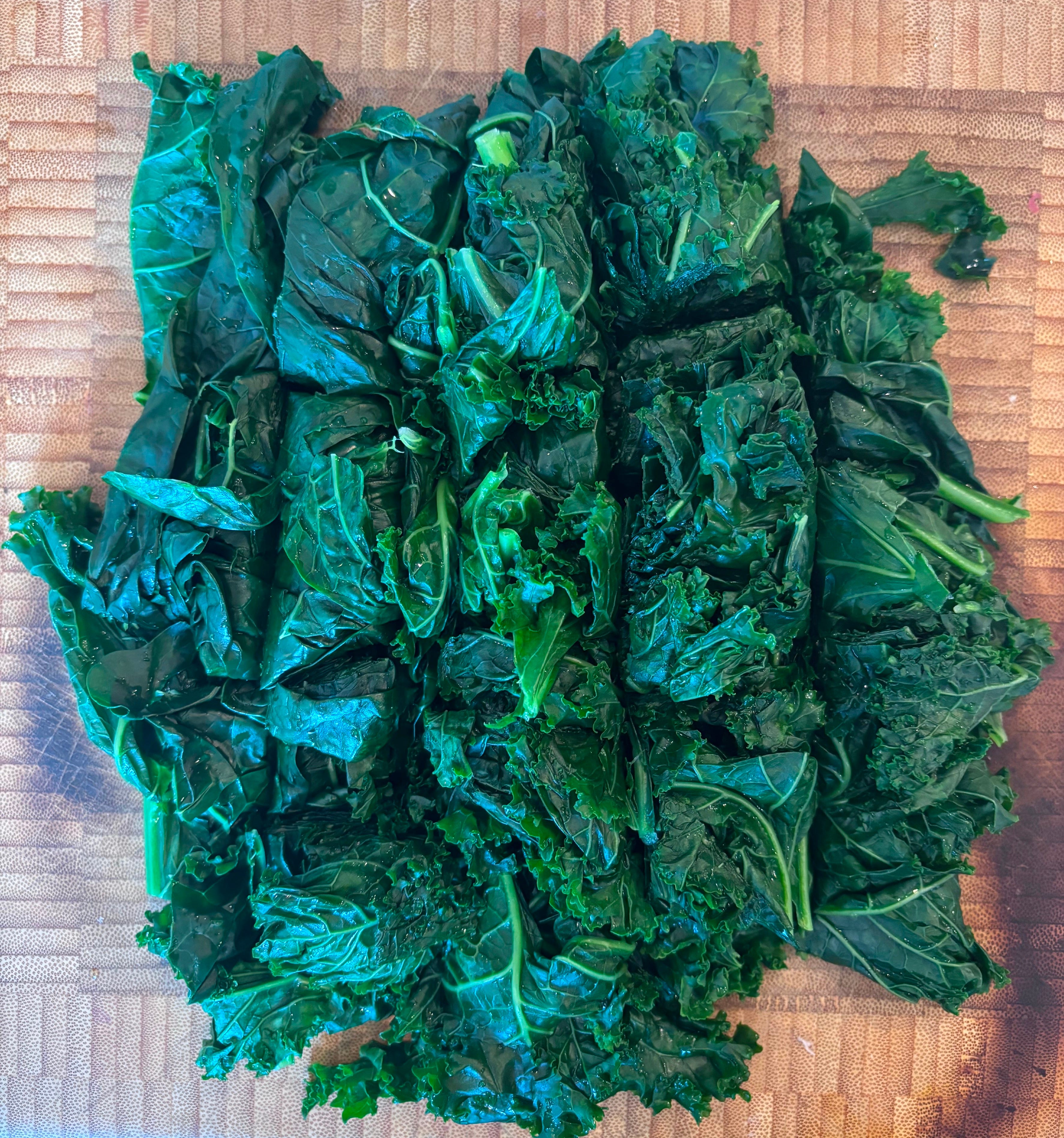
Spinach, kale, mustard greens, and chard all get a quick dip in boiling water and then an ice bath before I drain and freeze them. From there it’s easy to throw them into any dish that calls for cooked greens. The process reminds me of an Onion headline: “Nation’s 56,000 Acres of Spinach Crops Cooked Down to Single Half-Cup Serving.”
2. Simmer

On the topic of simmering: tomato sauce. Nuff said.
But this year my persimmon tree produced way more fruit than ever before. Living in urban DC, I don’t have to deal with deer like some of my friends in the suburbs. Worse—we have rats. After I found a gnawed persimmon on the ground, I decided to pick all of the green fruit off the tree and leave them to ripen on my counter. They were soft and sweet within a week. Then I had to figure out what to do with them before they went bad.
Persimmons have more natural pectin than other fruits, which makes them a good candidate for jam. I scooped out the insides and threw the pulp into a pot with lemon, sugar, vanilla, and a couple of cinnamon sticks, where it all simmered for 15 minutes. The next morning I stirred some into yogurt for breakfast. I also gave a jar to a friend, who told me he put it on a sandwich with goat cheese, pickled red onions, and rotisserie chicken. Hell yes.


3. Pickle
I’ve always made refrigerator pickles. No complicated canning process, no fermentation. Just throw garden veggies into jars with vinegar brine. Green beans, beets, jalapeños, and of course cucumbers are all good. I add whatever aromatics the garden is producing in that moment: garlic, dill, fennel, turmeric, ginger, oregano, lemongrass, sage, or thyme...


This year, I leveled up. I tried lacto-fermentation, and for the first time - it worked! It feels like magic. I cram vegetables with salt into a jar and pack them down until they are submerged. (Often the veggies create enough liquid on their own; if not, I top it off with saltwater.) I leave the jar loosely covered on the counter, and within a week or two it turns into a deliciously funky ferment. I had tried and failed at this for years, and I think what finally made the difference was slicing the vegetables on a mandoline rather than with a knife. It made them thinner, so they fermented more quickly.


4. Slow Roast

Sometime around September, whether or not I have a glut of my own tomatoes, I always buy a 20 pound box of red slicers from my friends at Garner’s Produce. I cut the tomatoes in half and put them on a baking sheet around 200 degrees overnight, for 8-12 hours. When they are concentrated into little red hockey pucks, I let it cool and then put the whole baking sheet into the freezer. Once they’re rock-solid, the frozen slow-roasted tomatoes can all go into a freezer bag without becoming one indistinguishable mass. It’s easy to pull out as many or as few as I need all winter long, and they taste a million times better than sad supermarket January tomatoes.


Whether you’ve got a garden or not, what’s your favorite ways to use up extra produce? I’m always looking for more ideas! Let me know in the comments.
Extra! Extra! Extra!
This week’s Engagement Party episode is all about the Song of the Summer. But as Audie and I tried to answer the question, “What is the song of the summer?” (Spoiler: It’s Ella Langley’s “Choosin’ Texas,”) I encountered something that I am now obsessed with: Boy Throb.
To me, the story of this band feels like a callback to an earlier time on the internet when things were weird and everybody was in on the joke. It is now my personal mission to get Boy Throb to NPR for a Tiny Desk concert. Are you with me?
If you have no idea what I’m talking about, check out my conversation with Audie below. And then stream their track with Kesha, “DJ Turn It Down.”
Thanks as always for joining me here! I’ll see you next week.
All good ideas. There’s also the DC-area Food banks. College Park Community FB takes local produce.
Great ideas, Ari! You have inspired me to (maybe) get a garden going next year! Thank you! Especially love the process for your tomato hockey pucks!